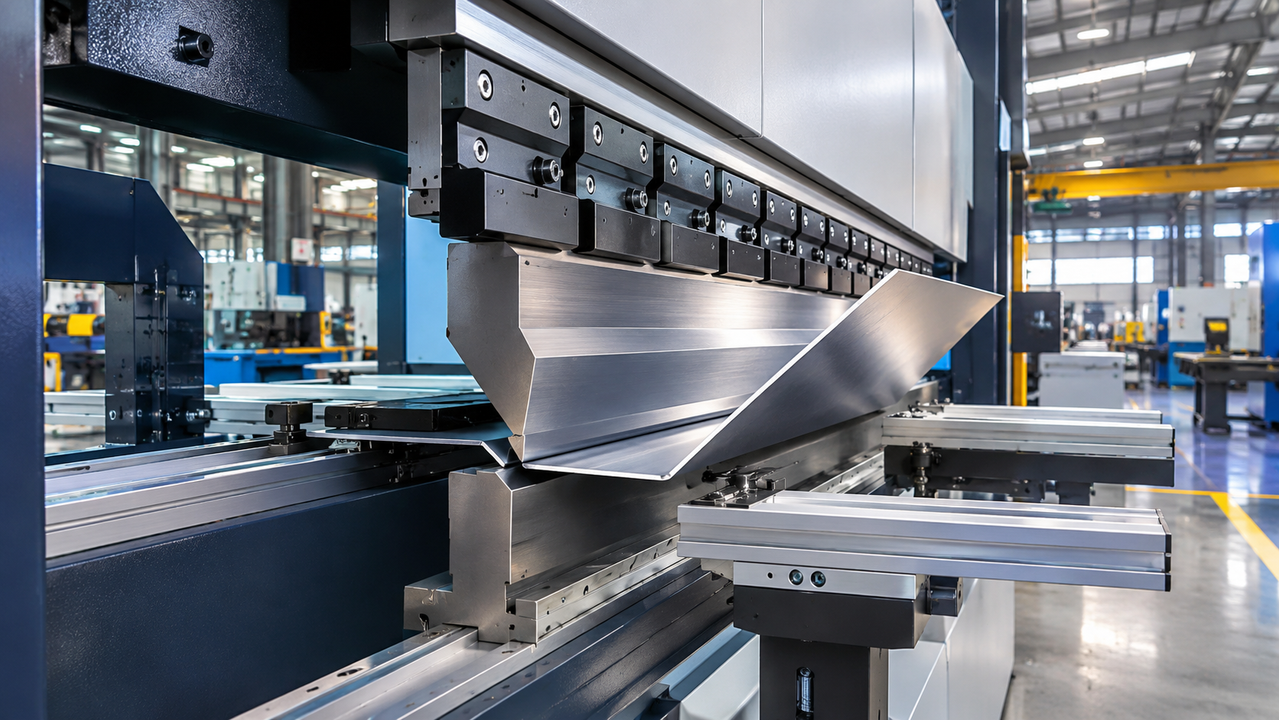
Designing an efficient factory layout for automated sheet metal production demands strategic foresight and detailed analysis. The goal is to optimize the flow of materials, minimize waste, and ensure seamless integration of automated machinery. How to plan factory layouts for automated sheet metal production becomes a critical inquiry for manufacturers aiming to boost productivity while maintaining operational safety.
Each factory presents unique challenges, including space constraints, equipment specifications, and production volume. This article provides an in-depth analytical breakdown to guide factory planners through core concepts, structural considerations, and decision-making processes essential to crafting layouts that support advanced automation in sheet metal fabrication.
By dissecting key components such as machinery placement, workflow dynamics, and safety protocols, manufacturers can align their factory design with both current demands and future scalability. The following sections explore these elements through a professional lens, ensuring thorough comprehension and actionable insights.
Key Components in Planning Factory Layouts for Automated Sheet Metal Production
Evaluating Space and Workflow Requirements
Effective factory layout planning begins with a precise evaluation of available space and workflow demands. The arrangement must accommodate large automated systems without creating bottlenecks or excessive material handling distances. Factories optimized for sheet metal production often integrate dedicated zones for cutting, bending, assembly, and finishing, aligned to support continuous flow.
Optimizing workflow reduces transit times between processes and allows for synchronized operation of machines. This approach supports higher throughput and reduces downtime, critical factors in automated environments where timing and coordination are paramount.
Strategic Machinery Placement for Automation
Strategically placing equipment enhances operational efficiency and safety. Automated sheet metal production relies heavily on machines such as CNC press brakes, laser cutters, and robotic arms. Positioning these machines in logical sequences prevents unnecessary backtracking and maximizes productivity.
Consideration must be given to the integration of the press brake - Shenchong, a versatile tool essential for bending operations. Aligning such machinery near material input and output stations reduces handling time and minimizes the risk of damage or misalignment. If you are looking to learn more information about press brake - Shenchong, you must look at https://www.shenchong.com/ site.
Additionally, layout designers must ensure access for maintenance and cleaning without disrupting workflow. This balance between accessibility and operational flow is a defining challenge in automated factory design.
Incorporating Material Handling Systems
Automated material handling systems form the backbone of efficient production in sheet metal factories. Conveyors, automated guided vehicles (AGVs), and robotic arms facilitate the swift movement of heavy metal sheets and finished components. These systems reduce manual labor and improve consistency in material transfer.
Properly integrating material handling requires coordination with machinery placement and workflow sequencing. Automated systems should be positioned to minimize overlap and interference, ensuring smooth operation throughout the production cycle.
Factories that neglect this integration risk increased cycle times and elevated operational costs, undermining the benefits of automation.
Optimizing Workflow and Process Integration in Automated Sheet Metal Production
Designing for Sequential Process Flow
Sequential process flow is crucial in automated factories because it reduces delays and errors. Each stage—cutting, bending, assembling, and finishing—must follow a logical order to maintain continuous production. Layouts should reflect the natural progression of sheet metal fabrication to avoid unnecessary handling and storage.
By aligning equipment in sequence, factories can reduce work-in-progress inventory and improve quality control. This design principle supports lean manufacturing methodologies and enhances responsiveness to production changes.
Balancing Automation and Flexibility
While automation drives efficiency, factories must retain flexibility to adapt to changing product designs or volumes. Modular layouts that allow reconfiguration of machines and workstations provide this adaptability. For example, mobile robotic cells can be repositioned to address specific tasks or bottlenecks.
This flexibility ensures that the automated sheet metal production line can evolve without extensive downtime or capital expenditure. Balancing fixed automation with adaptable elements is a strategic consideration in layout planning.
Ensuring Safety and Compliance
Safety remains a non-negotiable factor in factory layout design. Automated sheet metal production involves heavy machinery, sharp materials, and complex robotic systems. Layouts must incorporate adequate safety clearances, emergency exits, and protective barriers to safeguard workers and equipment.
Compliance with industrial safety standards influences machine placement and access routes. Incorporating safety considerations early in the design phase prevents costly retrofits and operational interruptions.
Material Flow and Inventory Management in Automated Layouts
Streamlining Raw Material Input
Raw material input points should be positioned to facilitate rapid unloading and storage. Automated storage and retrieval systems (AS/RS) can be integrated to manage inventory efficiently. These systems reduce handling errors and ensure materials are readily available for production.
Strategic placement near cutting and forming stations reduces internal transport distances, accelerating the start of production cycles. Effective raw material management supports just-in-time manufacturing principles.
Minimizing Work-in-Progress (WIP) Inventory
Minimizing WIP inventory reduces space requirements and potential damage to semi-finished products. Automated layouts that maintain tight process synchronization help achieve this goal. Continuous monitoring systems can alert operators to imbalances or delays, allowing prompt corrective action.
Optimized WIP management contributes directly to cost savings and improved lead times, reinforcing the value of well-planned factory layouts.
Streamlining Finished Goods Handling
Finished goods areas must accommodate efficient packing, quality inspection, and shipping. Automated palletizers and conveyors can facilitate final handling and staging. Positioning these areas near shipping docks reduces internal transport and expedites delivery.
Designing for smooth finished goods flow supports customer satisfaction through on-time delivery and reduces damage risk during handling.
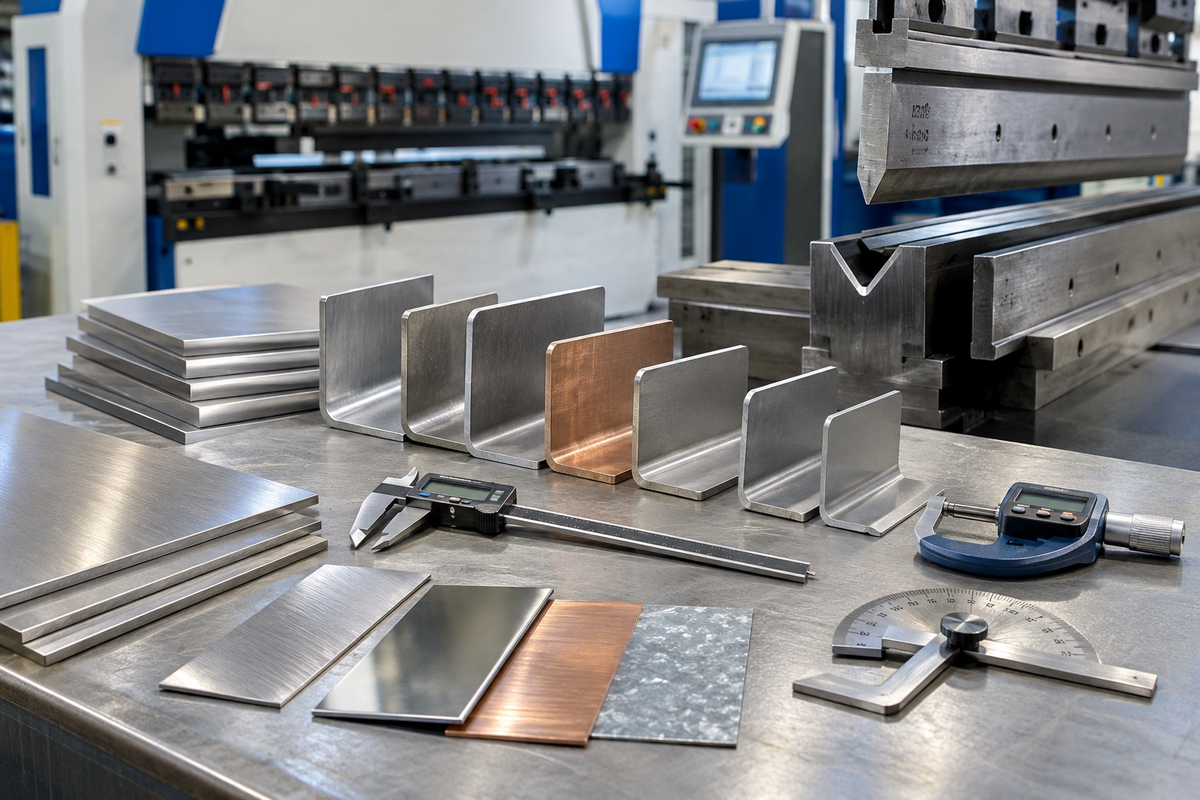
Advanced Technology Integration and Automation Synergy
Robotic Systems and Smart Manufacturing
Integration of robotic systems enhances precision and speed in sheet metal production. Robots can handle repetitive tasks such as loading, unloading, and bending with consistent accuracy. Coordination between robotic cells and other machines improves overall line efficiency.
Advanced factory layouts support robotic bending integration by providing dedicated zones with necessary power and safety provisions. Such integration is a key component of modern automated production environments.
Data-Driven Process Optimization
Smart manufacturing technologies enable real-time monitoring and data analysis. Sensors embedded in machines track performance metrics, allowing optimization of the metal fabrication workflow. This approach identifies bottlenecks and maintenance needs before failures occur.
Data-driven layouts facilitate continuous improvement and support adaptability to changing production requirements, ensuring long-term competitiveness.
Supporting Maintenance and Upgrades
Automated factories must plan for routine maintenance and future upgrades without disrupting production. Layout designs that include accessible pathways and modular equipment placement simplify these processes. Preventive maintenance zones can be incorporated near critical machinery.
Planning for maintenance access preserves uptime and extends equipment life, critical factors in automated sheet metal production facilities.
Strategic Safety and Compliance Considerations in Factory Layouts
Implementing Machine Guarding and Protective Measures
Machine guarding is essential to prevent accidents around automated press brakes and cutting equipment. Physical barriers, light curtains, and emergency stop systems must be incorporated into the layout design. These measures comply with metalworking safety standards and protect workers in high-risk areas.
Designers must allocate sufficient space for guarding devices without compromising workflow efficiency.
Emergency Access and Evacuation Planning
Factory layouts must accommodate clear emergency access routes and evacuation paths. Automated environments with complex machinery require careful planning to ensure quick egress during incidents. Signage, lighting, and unobstructed corridors contribute to a safe workplace.
Regular safety audits and drills help validate the effectiveness of these design elements.
Compliance with Regulatory Standards
Adherence to regulations governing automated manufacturing is a legal and operational necessity. Factory layouts should align with guidelines issued by safety authorities to avoid penalties and ensure worker protection. This includes spacing requirements, hazard communication, and equipment certification.
Incorporating compliance early in the layout design process reduces costly modifications and supports sustainable production.
Insights from Workflow and Production Analysis for Layout Optimization
Evaluating Process Efficiency through Simulation
Simulation tools allow planners to model different layout scenarios and assess their impact on production outcomes. By analyzing material flow, machine utilization, and cycle times, factories can identify the most efficient configurations. This analytical method informs decisions on machinery placement and workflow sequencing.
Simulation reduces trial-and-error during physical implementation, saving time and resources.
Balancing Automation with Human Factors
Even in highly automated factories, human operators play vital roles. Layouts must consider ergonomic factors, operator visibility, and ease of interaction with machines. Proper workstation design reduces fatigue and errors, contributing to overall productivity.
Integrating human factors engineering within automated layouts ensures a safer and more effective working environment.
Integrating Continuous Improvement Practices
Factory layouts should be designed with adaptability to support ongoing process enhancements. Feedback loops from production data and operator experience guide incremental changes. Flexible layouts enable these adjustments with minimal disruption.
Continuous improvement sustains competitive advantage and aligns factory capabilities with evolving industry standards.
Key Takeaways from the Analysis of Planning Factory Layouts for Automated Sheet Metal Production
Planning factory layouts for automated sheet metal production requires a comprehensive approach that balances machinery placement, workflow optimization, and safety compliance. Careful evaluation of space and process flow supports efficient material handling and maximizes automation benefits. Strategic integration of advanced technologies and human factors enhances both productivity and operational flexibility.
Incorporating machine guarding and regulatory standards safeguards workers while maintaining seamless production. Analytical tools such as workflow simulation and data-driven monitoring enable informed decision-making and continuous refinement of the production environment. Ultimately, mastering how to plan factory layouts for automated sheet metal production positions manufacturers to achieve sustained operational excellence and adaptability in a competitive market.
The ability to harmonize automation with safety and efficiency remains the cornerstone of successful factory design. By focusing on these critical elements, manufacturers can unlock the full potential of automated sheet metal production systems and realize tangible improvements in quality and throughput.
Effective planning also ensures compliance with evolving standards and supports future scalability. This integrated approach to factory layout planning is essential for modern sheet metal fabrication facilities seeking to lead in innovation and operational performance.
Moreover, optimizing the metal fabrication workflow through smart design and automation integration remains a decisive factor in achieving sustainable manufacturing success.
SHENCHONG
Wuxi Shenchong Forging Machine Co., Ltd.
Tianshun Road, Yangshan Industrial Park, Wuxi, Jiangsu, China 214156
Email: info@shenchong.com
Phone: +86-158-9507-5134
Whatsapp/Wechat: +86-158-9507-5134
Comentarios
Publicar un comentario